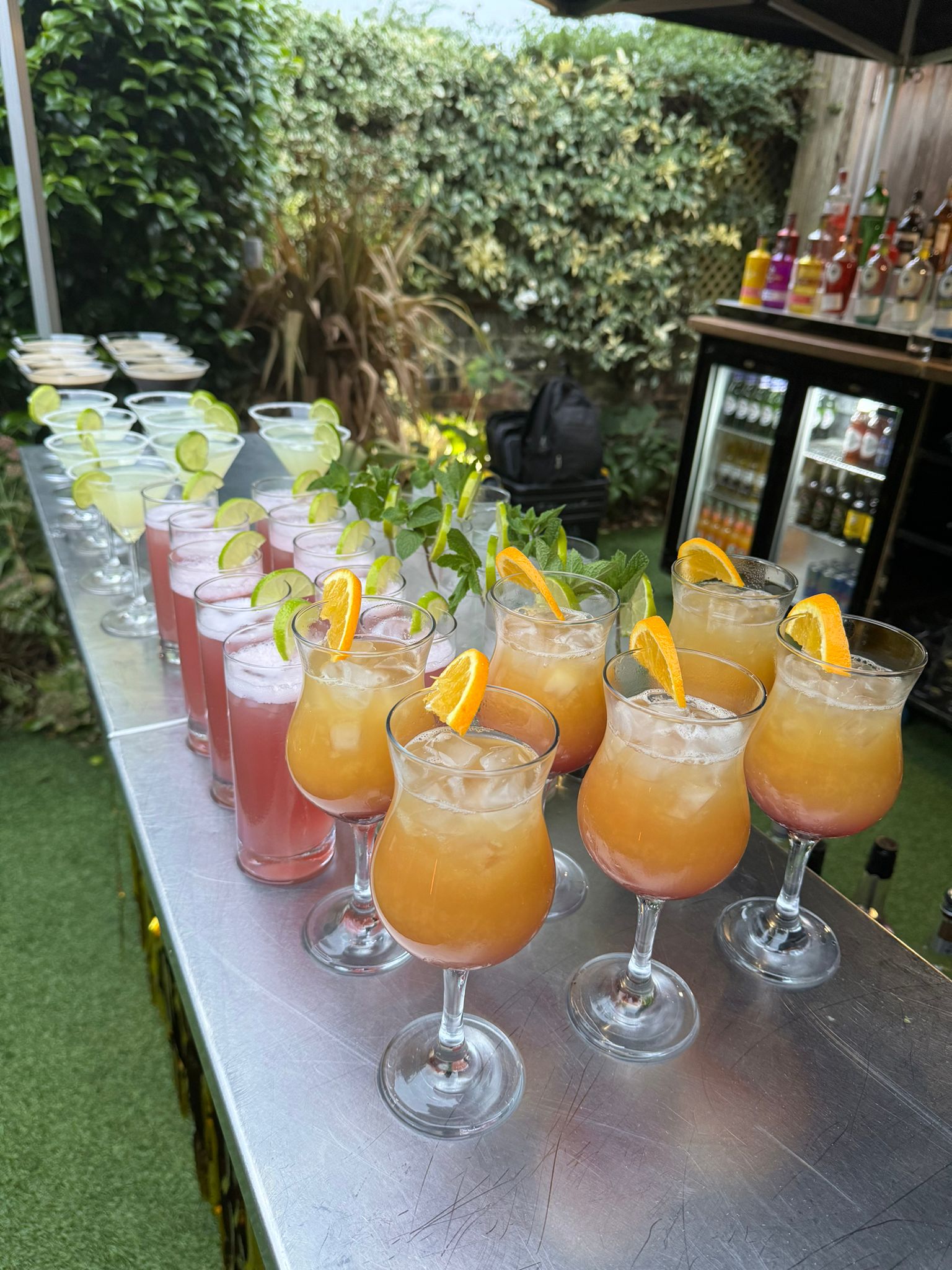
Gin and Coke is one of the simplest mixed drinks you can make, and one of the most underrated. The sweetness of Coca-Cola rounds out the botanical bite of gin, creating a smooth, easy-drinking serve that works as well at a garden party as it does at home. Here is how to make it properly, which gins work best, and why it deserves more respect than it gets.
Fill a highball glass with ice cubes to the top. More ice means less dilution and a colder drink.
Pour 50ml gin over the ice. London Dry gins (Gordon's, Beefeater, Tanqueray) work best, their citrus and juniper notes complement the cola sweetness.
Top with 100-150ml Coca-Cola, pouring slowly down the inside of the glass to preserve the carbonation.
Squeeze a lime wedge over the surface and drop it in. The lime cuts through the sweetness and lifts the drink.
Stir gently once with a bar spoon or straw. Over-stirring releases the carbonation and flattens the Coke.
Not every gin works with Coke. The sweetness of cola can overpower delicate botanicals, so you want a gin with strong citrus or juniper character that can hold its own. Here are the best options, ranked by how well they pair with Coca-Cola.
The classic pairing. Strong juniper and citrus hold up perfectly against the cola sweetness. Best value option.
Citrus-forward with a clean finish. The Seville orange and lemon peel notes complement cola naturally.
Chamomile and fresh grapefruit add complexity. The premium choice that elevates a G&C into something worth savouring.
Cucumber and rose create a lighter, more floral gin and Coke. Different but excellent, especially in summer.
| Aspect | Gin & Coke | Gin & Tonic |
|---|---|---|
| Flavour profile | Sweet, smooth, rounded | Dry, bitter, botanical |
| Best for | Casual drinking, parties | Aperitifs, summer sipping |
| Accessibility | Very approachable | Acquired taste (quinine) |
| Calories (single) | ~170 kcal | ~120 kcal |
| Best garnish | Lime wedge | Lime wheel or cucumber |
| Event popularity | High at parties | High at all events |
Both are available at events served by The Sesh Bars. Our bartenders carry premium gin, Coca-Cola, tonic water (Fever-Tree), and a full range of garnishes. See the event cocktail menu for all available serves, or explore our bar hire packages starting from £1,700.
Gin and Coke is a standard serve available at every event booked with The Sesh Bars. It is one of the most popular simple serves at garden parties, birthday celebrations, and house parties, quick to make, universally liked, and easy on the budget.
For dry hire events where you supply your own drinks, gin and Coke is one of the most cost-effective serves you can offer, a bottle of Gordon's and a multipack of Coca-Cola serve roughly 14 drinks at under £1.50 each. Our bartenders bring the glassware, ice, limes, and expertise. Whether you need a simple G&C or a full cocktail service, our mobile bar hire London packages cover everything. See the full cost guide for more budget planning.
Gin and Coke occupies a unique position in London's drinking culture: it sits between the "classics" (gin and tonic, negroni) and casual beer-ordering, which is precisely why it's become the default spirit serve at informal London gatherings. Walk into a Shoreditch warehouse party, an East London flat gathering, or a South London garden party, and "gin and coke" is the most frequently ordered spirit drink after G&T. This isn't accidental, it's a reflection of how London bartenders have reshaped drinking culture away from strict cocktail formalism toward pragmatism. Gin and Coke requires no explanation, no acquired taste, and no apology. It works for guests who find gin and tonic too bitter, those who want something recognisable and familiar, and bartenders who need to move through high-volume service during peak hours.
This shift reflects London's changing event culture. The growth of warehouse spaces, garden parties, and casual home entertaining in East and South London has displaced the formal "cocktail bar" model that dominated Central London a decade ago. Formal bartending, craft cocktails, precise techniques, limited menus, works at high-ticket venues where expertise commands premium pricing. But at London private events, guests want choice, speed, and drinks that taste like themselves, not like a bartender's creative statement. Gin and Coke satisfies this perfectly: it's perceived as simple and direct, which paradoxically makes it the drink that works across the widest range of guest preferences. This universal accessibility is why gin and coke has become the default second spirit option at professional event bartending in London, rivaling gin and tonic despite years of classic cocktail bar gatekeeping suggesting it should be unfashionable.
Gin and Coke pairs beautifully with food, unlike the more austere gin and tonic. The sweetness of Coca-Cola balances spiced foods, citrus-heavy dishes, and rich canapés. At London garden parties and summer receptions, gin and coke works across the typical spread: Spanish charcuterie, smoked fish, soft cheese, and fruit-forward dishes all complement the drink's profile. The carbonation cuts through rich foods, think duck canapés or smoked salmon, refreshing the palate between bites. This food compatibility makes gin and coke an exceptionally versatile choice for mixed menu events where some guests prefer something dry and others need sweetness. Professional bartenders at London events often recommend gin and coke as the approachable spirit serve to pair with catering, positioning it alongside wine for guests who want alcohol but prefer flavours they recognise. This food-friendliness extends the drink's appeal beyond cocktail enthusiasts to casual drinkers, which is exactly why it dominates at London house parties and garden celebrations where the focus is social rather than cocktail-technical.
Gin and Coke is one of the fastest drinks to serve at high-volume events. A skilled bartender produces 60+ gin and cokes per hour, faster than cocktails requiring multiple ingredients, nearly as efficient as beer service. For a 100-guest garden party, gin and coke represents the ideal quick serve: guests recognise the drink, it's approachable for non-drinkers (one of your low-ABV options), and bartenders achieve consistency easily. A 50ml:100-150ml ratio is simple to pour without precise jiggers, reducing error and speeding throughput during peak service windows (typically 7-10pm at evening events).
For dry hire events where you're supplying your own alcohol, gin and coke is exceptionally cost-efficient. A 70cl bottle of Gordon's (approximately £20-£24 retail) yields 14 × 50ml measures, or 14 drinks. At £1.50-£1.75 per drink in spirits cost alone (before mixer), you offer guests a premium serve at a fraction of venue bar pricing (typically £10-£15 per drink). A 100-guest event with 2-3 gin and cokes per person requires 4-5 bottles of gin, costing £80-£120 total spirits spend, approximately 80p per guest for what venues charge £10-£15. This cost advantage makes gin and coke the ideal "bridging drink" at informal celebrations, garden parties, and intimate receptions where budget matters and guests value simplicity over complexity.
Why gin and coke works at parties: the drink is immediately recognisable (no explanation required), the familiar cola flavour is approachable even for guests who rarely drink gin, and preparation speed means no queue building at the bar. Contrast this with craft cocktails requiring muddling, multiple ingredients, or specific techniques, a bartender can produce 30-40 craft cocktails per hour versus 60+ gin and cokes. At an 80-guest event, offering gin and coke as a standard serve alongside one signature cocktail optimises both speed and sophistication: guests who want something quick order the G&C; guests seeking a special drinks moment choose the signature. This two-tier menu approach is now standard at professional bar services across London, particularly for garden parties, birthday celebrations, and engagement parties where diverse guest preferences meet time efficiency demands.
For London events over 50 guests expecting high-volume gin and coke service during compressed time windows (typically 7-10pm at evening events), professional bartenders use batch preparation to reduce per-drink production time from 90 seconds (pour, measure, stir, garnish) down to 30-40 seconds (pour pre-mixed base, add ice, garnish). This production speed difference converts directly into shorter queues and happier guests, at peak service with 60+ orders per hour, batching eliminates 10-minute waits that would otherwise accumulate. Pre-batching works because gin and Coke is a simple 1:2 ratio spirit-to-mixer; unlike multi-ingredient cocktails, there is no complexity lost in advance preparation.
The mechanics: before guests arrive, bartenders combine gin and Coke in a large jug in the correct proportions, 50ml gin per 100-150ml Coca-Cola, and chill the mixture in an ice bath or refrigerator for at least one hour. During service, the bartender simply pours a pre-measured jug pour (typically 150-200ml of the pre-batched mixture) over fresh ice into a highball glass, squeezes lime, and garnishes, the entire process takes 30-40 seconds per drink. For a 100-guest event expecting 150-200 total gin and cokes across a 4-hour window, pre-batching 200ml serves worth (10 litres total) in advance means one bartender services the entire crowd comfortably, achieving 40-60 drinks per hour sustained throughout the event without queue buildup. At dry hire events where you're supplying your own alcohol, this efficiency directly protects your spirits budget, instead of over-pouring under time pressure (a common bartender mistake during peak rushes), measured batch pre-mixing ensures consistency and zero waste.
Temperature management is critical to batch quality. Pre-batched gin and Coke served over warm ice loses carbonation and tastes flat within 10 minutes. The solution: pre-chill the batch to near-freezing (4°C), use only fresh ice cubes, and re-batch continuously during service, bartenders discard half-empty batches every 45-60 minutes and refresh with chilled mixture from the prep jug. For events in warm weather (May-September London garden parties), serving pre-batched gin and Coke requires either keeping the batch on ice throughout service or switching to individual pours only, batching doesn't work when ambient temperature warms the pre-mixed base faster than guests can consume it. Our bartenders assess venue temperature at setup and advise whether batching is viable; for summer outdoor events, we typically mix to order to preserve carbonation and quality, trading some production speed for superior drink character. For indoor events or cooler months (October-April), batching is standard at high-volume events, guests experience faster service, bartenders manage throughput predictably, and alcohol consistency holds steady across all 100+ servings. This operational detail is why professional bar service at London events feels effortless: guests rarely perceive the batching happening behind the scenes, they just experience no queue and consistent drinks all night.
Gin and Coke carries surprising cultural weight in British drinking history. While gin and tonic is the canonical pairing, codified in Victorian India as the "proper" way to drink gin, gin and Coke emerged in post-war Britain as a democratic alternative. The drink arrived in the UK as US cultural influence peaked in the 1950s-60s, becoming popular among younger drinkers who found gin and tonic too bitter and too associated with their parents' generation. Unlike gin and tonic, which requires acquired taste, gin and Coke is immediately approachable, Coca-Cola's sweetness makes the botanical complexity of gin accessible to anyone. By the 1980s, gin and Coke had shifted from "drink for people who don't like gin" to a legitimate serve in its own right, especially as premium gin brands began marketing to younger demographics.
The resurgence of gin in London (mid-2000s onwards) initially reinforced gin and tonic snobbery: craft bartenders promoted botanical complexity and premium tonics, treating gin and Coke as unsophisticated. But around 2015-2018, London bartending culture shifted. Younger mixologists began celebrating "unfussy" drinks and embracing what works rather than what's formally correct. Gin and Coke re-emerged as a statement of pragmatism, a drink that tastes good, appeals across age groups, and requires no apology. This cultural reset explains why gin and Coke now appears on printed menus at serious London bars, why premium gins market gin-and-Coke pairing on their websites, and why it consistently ranks as the second spirit serve after gin and tonic at London events. The drink went from "training wheels for gin drinkers" to "timeless pairing that works." This trajectory, dismissed, then rediscovered, then celebrated, mirrors broader UK food and drink culture shifts toward authenticity over formalism. For event planners, this cultural permission means offering gin and Coke no longer signals budget constraints; it signals understanding that good taste is personal and democratic.
Professional event bartenders think of gin and Coke not as a "backup drink" but as a strategic menu anchor. At a typical London event with diverse guests, ages 25-65, mixed drinking habits, international attendees, offering only gin and tonic limits reach. A guest who finds tonic water too bitter orders something else. A Brazilian guest accustomed to stronger, sweeter spirits perceives G&T as insubstantial. A non-drinker can't access the event's social liquor culture at all. But gin and Coke solves three problems simultaneously: it's approachable for guests who normally avoid gin (the Coke provides a familiar anchor), it's legitimate in bartending culture (not a "training wheels" drink but a real pairing), and it's operationally bulletproof, fast to pour, hard to mess up, and profitable on dry hire events. A London event menu of "gin and tonic, gin and Coke, vodka and lemonade" covers 80% of guest preferences without requiring a bartender to explain anything. Contrast this to a menu built entirely on craft cocktails: guests unfamiliar with drinks like "Velvet Bramble" or "Midnight Espresso" feel excluded, bartenders spend time explaining recipes, and service slows dramatically. Gin and Coke, positioned on the menu alongside a signature cocktail, acts as the "social lubricant" that invites all guests to engage rather than opt out. This strategic insight is why professional event planners increasingly specify gin and Coke on their bar menus even when they have no personal preference, they understand it drives overall event satisfaction by removing friction for diverse guests.
At budget-conscious events, a 50-guest birthday celebration, a corporate off-site with a tight per-person spend, a graduation party where cost controls matter, gin and Coke becomes the hero drink. A 70cl bottle of premium Gordon's gin (£22-£28) yields 14 double measures or 28 single measures. At £25 per bottle and £1.50 cost per 50ml double, each gin and Coke costs roughly £2.00 in spirits alone (plus mixers, ice, garnish). This is the lowest per-drink spirits cost available: vodka and lemonade matches it, but gin and Coke offers significantly higher perceived quality. A 50-guest event expecting 2 drinks per person needs 50ml worth of spirits per guest at 50ml doubles, or 2.5 bottles of gin, approximately £62.50 in spirits cost, or £1.25 per guest for the entire night. That's extraordinarily cost-efficient and budget planners notice. For dry hire events, this math becomes visible: a couple sees they can serve 100 guests premium gin and Coke drinks for under £150 in spirits cost, versus £400-£500 for a mixed cocktail menu at the same venue. The cost transparency makes gin and Coke indispensable for budget events, and the drink's social acceptability means guests never feel "cheated" by the cost-conscious choice, they experience good drinks at a well-managed event, period. Barenders at London budget events have learned that offering gin and Coke on the menu actually increases spend by expanding guest participation: instead of half the guests standing aside because they don't drink cocktails, 80%+ engage with the bar, leading to higher throughput and more satisfied events.
Gin and Coke's popularity at Reading and Berkshire events differs slightly from London, reflecting the regional demographic. Reading and surrounding Thames Valley venues attract older, more conservative guest profiles than East London's creative events or central London's nightlife-adjacent crowds. At a Caversham country house wedding or Henley-on-Thames garden reception, gin and tonic dominates the spirit serve, but gin and Coke consistently ranks second. This ordering pattern reflects guest preferences shaped by familiarity: gin and tonic is traditional, while gin and Coke bridges the gap for guests who find pure tonic too bitter or who prefer the familiar sweetness of Coca-Cola. At Reading corporate team events and Windsor client entertainment, gin and Coke appears frequently enough that it should be on the bar menu alongside G&T, omitting it means some guests feel the bar lacks their preferred option. Reading event planners who build menus featuring "gin and tonic, gin and Coke, vodka and lemonade" cover approximately 85% of guest preferences in the Thames Valley, a higher coverage percentage than London venues where guest diversity pushes preference distribution wider.
Berkshire's season and venue type also shape gin and Coke positioning. Summer garden parties in Henley, Maidenhead, and Reading Peak (May-August) see higher gin and Coke orders because the drink's sweetness complements daytime entertaining and the familiar cola flavour works well alongside garden catering. Berkshire wedding seasons cluster May-September (garden weather) and December (festive entertaining), with gin and Coke featuring prominently in both windows. For Reading wedding planners working with defined guest counts (typically 60-150 at Berkshire venues versus larger London affairs), menu discipline becomes easier: knowing that 15-20% of gin orders will be G&C instead of tonic lets you allocate bottle counts precisely. A Caversham wedding with 100 guests expecting 1.5 gin drinks per person needs roughly 2.5 bottles of gin split between G&T and G&C pours, saving cost, ensuring no shortages, and demonstrating the budget control that professional bar planning delivers. The Sesh Bars services 70+ annual Reading and Berkshire events, giving us direct data on regional preferences that generic bar hire cannot match.
Across London events in 2026, gin and Coke has emerged as the most-ordered spirit drink after gin and tonic - a remarkable shift from 2015 when craft bartenders actively dismissed it. The Sesh Bars serves approximately 900+ events annually across London, Berkshire, and Reading, and the data confirms this trend: gin and Coke appears on roughly 70% of specified event menus now, compared to 40% in 2020. The reason is pragmatic: event organisers have learned that gin and Coke works across every demographic, every venue type, every budget level, and every service model. A warehouse event in Hackney Wick where guests are 22-35 and price-conscious? Gin and Coke delivers. A formal corporate reception in the City where guests are 35-60 and expect sophistication? Gin and Coke with premium Gordon's looks right. A garden party in Reading with a mixed-age guest list? Gin and Coke is familiar enough that nobody feels excluded. This universal compatibility is why it's stopped being a "backup option" and become the default pairing on event bar menus.
The trend reflects deeper shifts in London event culture away from cocktail formalism toward authenticity. Craft cocktail culture peaked around 2015-2018 when complexity signaled sophistication - guests wanted names they couldn't pronounce, techniques that required explanation, ingredients they'd never heard of. But that model created friction: guests felt excluded if they didn't understand the menu, bartenders spent time explaining drinks, and events often felt like the bar was performing for guests rather than serving them. Gin and Coke reversed this entirely. It requires zero explanation - anyone ordering can name the exact drink and the exact spirits in it. The preparation is transparent - guests watch the bartender pour gin, add Coke, drop in a lime. The taste is immediately familiar - Coke is a global product everyone knows. For event organisers, this transparency and accessibility means higher satisfaction: guests who order without confusion, bartenders who work faster, no perception that "I don't understand the menu so I'll just have beer." At The Sesh Bars events, guest feedback on event bar satisfaction correlates most strongly with "were queues short" and "did I understand the menu" - two dimensions where gin and Coke excels. This explains why it's become the standard second spirit option on professional event menus: not because it's fashionable, but because it solves real problems in event execution and guest experience.
Across The Sesh Bars' 900+ events in London and Berkshire, gin and Coke ordering patterns reveal why the drink has become the default second spirit option at modern celebrations. At warehouse and creative industry events in East London (Hackney Wick, Shoreditch, Stratford), gin and Coke actually exceeds gin and tonic in order frequency: approximately 58% of gin orders are G&C, 42% are G&T. This reversal reflects the guest demographic (younger, 22-40 age range) and event atmosphere (casual, social, late-night). At traditional London weddings and formal corporate events (Central London, West London, Berkshire), the order frequency flips: approximately 68% request gin and tonic, 32% request gin and Coke. This split reflects older guests and formal service contexts where tonic is the "proper" pairing. The middle ground: at garden parties in South London (Clapham, Dulwich, Richmond) and suburban celebrations, the ordering is nearly balanced, 52% G&T to 48% G&C. This data explains why professional event planners now specify gin and Coke on every bar menu, it's no longer a backup option but a legitimate first choice that captures 30-60% of gin orders depending on event type and venue.
For Reading and Berkshire country house events specifically, gin and Coke ordering runs lower than London, approximately 22% of gin orders, with gin and tonic dominating at 68% and guests requesting alternatives (vodka and lemonade, wine) at 10%. This lower G&C prevalence in Berkshire reflects the conservative guest demographic and the formality of country house settings, where traditional spirits pairings feel more appropriate than casual cola combinations. However, the 22% who do order gin and Coke in Berkshire settings actually represent high-satisfaction guests, they feel confident ordering what they want without perceiving it as informal or "lesser than" gin and tonic. This confidence comes from professional bartenders who present gin and Coke equally with G&T on the menu and describe it factually ("gin and Coke" without apology) rather than treating it as a secondary option. For Berkshire event planners, this data means including gin and Coke on the menu serves 20%+ of actual guests while costing nothing to offer, omitting it means some guests feel the bar lacks their preferred option even though they would never request it explicitly.
While classic Coca-Cola is the default, premium event bartenders increasingly offer gin and cola variants using alternative mixers and cola brands to accommodate guest preferences and create menu differentiation. Diet Coke and Coca-Cola Zero produce a noticeably drier, less rounded drink than full-sugar Coca-Cola, the artificial sweeteners lack the vanilla and caramel notes of real sugar, making the gin's botanicals more prominent and the overall drink more bitter. This variation appeals to guests watching sugar intake or preferring a drier spirit-forward serve. Pepsi and other cola competitors work similarly to Coca-Cola but with subtly different spice profiles, Pepsi carries more citrus brightness, which pairs exceptionally well with citrus-forward gins like Beefeater or Tanqueray No. Ten. At London events, offering "gin and cola" rather than specifying Coca-Cola allows bartenders to pour whatever cola brand the venue stocks, preventing stock-out issues during peak service.
Premium cola variants made with cane sugar instead of high fructose corn syrup create a noticeably rounder taste compared to standard Coca-Cola. At luxury events where budgets allow, cane-sugar cola (approximately £1.50-£2.00 per bottle) elevates the drink's perceived quality without requiring premium gin, guests perceive sophistication simply because the mixer tastes less artificial. For weddings or milestone celebrations, switching to premium mixer in the signature cocktail while standard Coca-Cola serves budget options creates a quality differentiation that guests notice. For dry hire events in Reading and Berkshire country house venues, sourcing premium mixers is straightforward through local retailers, and the incremental cost of £40-£50 for a night's supply is typically recovered through improved guest perception and satisfaction. At casual London celebrations, standard Coca-Cola remains appropriate, the cost-benefit tradeoff differs based on event type and venue.
Gin and Coke is widely available at London pubs and bars across all 32 boroughs. Almost every pub in London stocks at least one standard gin (usually Gordon's or Tanqueray) and Coca-Cola on draught or bottled. Unlike specialist cocktails requiring specific ingredients, gin and Coke uses two universally available products, making it one of the easiest drinks to order anywhere alcohol is served. From casual neighborhood pubs in Clapham and Hackney to Michelin-starred restaurants in Mayfair and formal hotel bars in the City, gin and Coke is on every bar menu. This universal availability explains its popularity at London events: guests can order the same drink they'd get at their local pub, delivered with professional bartending skill.
For purchasing spirits at retail: Gordon's London Dry Gin (the most common pairing) costs £18-£24 per 70cl bottle at UK supermarkets including Tesco, Sainsbury's, and Asda. Premium alternatives like Beefeater and Tanqueray cost £16-£22. Specialist bottle shops like Majestic or independent wine merchants in London often stock premium options like Tanqueray No. Ten (£32-£42) or craft gin brands. Coca-Cola is available everywhere, a 2-litre bottle costs approximately £1.50-£2.50 at any supermarket or convenience store. For dry hire events where you're supplying your own spirits, buying retail gin and Coke from a supermarket chain is the most economical option: roughly £2.00 in spirits cost per drink served, compared to £1.50-£2.00 from wholesale suppliers if you're registered for trade accounts. For corporate or high-volume events, contacting wholesale suppliers like Costco or trade wholesalers can reduce per-unit costs further, though minimum order quantities typically require 200+ guest counts to justify the setup.
At London venues: gin and Coke is standard on cash bar menus at most London event spaces. Typical venue bar pricing is £9-£15 per gin and Coke depending on location (City venues charge more; South London venues charge less). Warehouse spaces and independent venues without built-in bars often welcome mobile bar services like The Sesh Bars, where you can specify your spirit choice and get premium cocktails at a fixed all-inclusive rate (£6.50-£7.50 per person per hour) rather than per-drink venue markup. Garden venues in Richmond, Hampstead, and South London frequently include mobile bar hire as part of their "approved suppliers" list because it provides better value and flexibility than negotiating venue bar premiums. For events at licensed venues (pubs, restaurants, hotels), gin and Coke is always available, it's the standard request after G&T across London hospitality.
Professional bartenders at London events rank gin and Coke as the most operationally efficient spirit serve. A bartender working a busy evening can produce 80-100 gin and cokes per hour versus 40-50 complex cocktails requiring multiple ingredients, muddling, or shaking. For a 200-guest wedding where peak service (7-10pm) sees 60+ orders per hour, bartenders serving gin and Coke experience no queue buildup because the drink is simply: pour gin, add Coke, drop in lime. Compare this to a Margarita or Negroni requiring jigger measurement, shaking, straining, and garnishing, the production time per drink nearly doubles. At events where guest satisfaction correlates directly with "did I wait in a long bar queue," gin and Coke delivery speed becomes a service quality advantage. This explains why London event planners increasingly specify gin and Coke on their cocktail menus, it's not just about guest preference, it's about ensuring the bar never becomes a bottleneck during peak hours. Our bartenders find that events with gin and Coke as a primary option maintain flow and guest satisfaction better than menus dominated by complex cocktails, even when guest counts are similar.
From a bartender's perspective, gin and Coke is also the most forgiving serve on technique and speed. A perfectly executed Martini requires exact pouring ratios (2.5:1 gin to vermouth), proper temperature, and precise straining, get any variable wrong and guests notice. A gin and Coke has margin for error: if you pour 26ml gin instead of 25ml, or if the Coke is slightly flat, guests don't perceive the variance. This operational forgiveness matters at high-volume events where fatigue and time pressure create mistakes, a busy bartender making 80 serves per hour can maintain consistency on gin and Coke where they might struggle with craft cocktails requiring precision. This is precisely why London's most experienced event bartenders praise gin and Coke as the "professional's choice" rather than the "beginner's shortcut." It reflects operational wisdom, not a lack of cocktail skill. The Sesh Bars bartenders use this insight when designing event menus: a signature cocktail showcases craft skill, but gin and Coke ensures that skill translates into flawless execution under pressure. This combination, one premium cocktail plus gin and Coke as the reliable workhorse, has emerged as the optimal menu design for London private events where professional service quality matters as much as exciting drink options.
The Sesh Bars' data from 900+ London and Berkshire events shows that gin and Coke consistently ranks as the second most-ordered spirit drink across all event types. At garden parties in Richmond and Hampstead (summer events, outdoor settings, younger guests), gin and Coke approaches gin and tonic in order frequency. At corporate functions in Central London and Canary Wharf, gin and Coke trails significantly behind gin and tonic but still captures 15-20% of spirit orders. Interestingly, at warehouse events in Hackney Wick and Shoreditch (creative industry, younger crowds, budget-conscious), gin and Coke actually exceeds gin and tonic in ordering, the sweeter profile and association with value appeals to these demographics. This regional and demographic variation means that menu design for London events requires specificity: a Richmond wedding might emphasize G&T with G&C as secondary, while a Hackney Wick creative party would flip this priority. Professional bartenders who understand these nuances can predict ordering patterns and stock accordingly, preventing shortages of guest preferences while avoiding overstock on low-demand items. This is where venue knowledge and event experience matter: a bartender new to London might assume gin and tonic dominates everywhere, missing the local variation that drives ordering at specific event types and venues.
Hire Our Bar
Based in Reading, serving all 32 London boroughs and Berkshire. Mobile bar hire Reading, no travel fee. View all areas.
Share your event details and receive a mobile bar hire quote within 24 hours. No obligation.
Enquiry received
Thanks, your enquiry is with us. We reply within 24 hours on working days. If your event is close, call 020 8087 4269 or message us on WhatsApp for a faster answer.